
Do you suffer from heel pain when you get up in the morning? If so, you should seek professional help and have a proper diagnosis performed. Heel pain can be caused by several different foot-related conditions.
Do you suffer from heel pain when you get up in the morning? If so, you should seek professional help and have a proper diagnosis performed. Heel pain can be caused by several different foot-related conditions.

High heels can change the way the feet support the body and may lead to a variety of painful foot problems. By shifting body weight toward the front of the foot, high heels place extra pressure on the toes and the ball of the foot. This added stress can contribute to conditions such as bunions, hammertoes, and neuromas. Some people also experience heel pain or ankle discomfort after wearing high heels regularly. Symptoms may include aching, burning, or swelling that makes walking uncomfortable. Because these changes often develop gradually, many people do not recognize the effects until pain begins to interfere with everyday activities. A professional evaluation can help determine whether footwear is contributing to foot pain and identify the most appropriate treatment.
Frequent use of high heels may also affect balance, posture, and normal walking mechanics. As the foot remains in a raised position, the muscles and tendons can become tight and place additional stress on nearby joints. This altered movement may increase strain on the ankles, knees, and hips. Changes in weight distribution can also reduce stability and make certain activities less comfortable. A thorough podiatry examination helps identify how footwear is affecting foot structure and overall function. Early diagnosis allows treatment to begin before discomfort becomes more severe or long-term foot problems develop.
A podiatrist specializes in diagnosing and treating foot conditions related to high heels and other footwear concerns. Professional care focuses on relieving pain, improving foot function, and addressing changes in foot alignment caused by prolonged pressure. Treatment is tailored to each patient's condition and activity level while supporting long-term foot health. Regular podiatry care may also help identify developing problems before they worsen or affect mobility. If foot pain, toe deformities, or difficulty walking related to wearing high heels is affecting your daily activities, it is suggested that you consult a podiatrist for an evaluation and appropriate treatment options.
High heels have a history of causing foot and ankle problems. If you have any concerns about your feet or ankles, contact Ankita Patel, DPM from All Pro Foot and Ankle. Our doctor can provide the care you need to keep you pain-free and on your feet.
Effects of High Heels on the Feet
High heels are popular shoes among women because of their many styles and societal appeal. Despite this, high heels can still cause many health problems if worn too frequently.
Which Parts of My Body Will Be Affected by High Heels?
What Kinds of Foot Problems Can Develop from Wearing High Heels?
How Can I Still Wear High Heels and Maintain Foot Health?
If you want to wear high heeled shoes, make sure that you are not wearing them every day, as this will help prevent long term physical problems. Try wearing thicker heels as opposed to stilettos to distribute weight more evenly across the feet. Always make sure you are wearing the proper shoes for the right occasion, such as sneakers for exercising. If you walk to work, try carrying your heels with you and changing into them once you arrive at work. Adding inserts to your heels can help cushion your feet and absorb shock. Full foot inserts or metatarsal pads are available.
If you have any questions, please feel free to contact our office located in Swedesboro, NJ . We offer the newest diagnostic and treatment technologies for all your foot care needs.
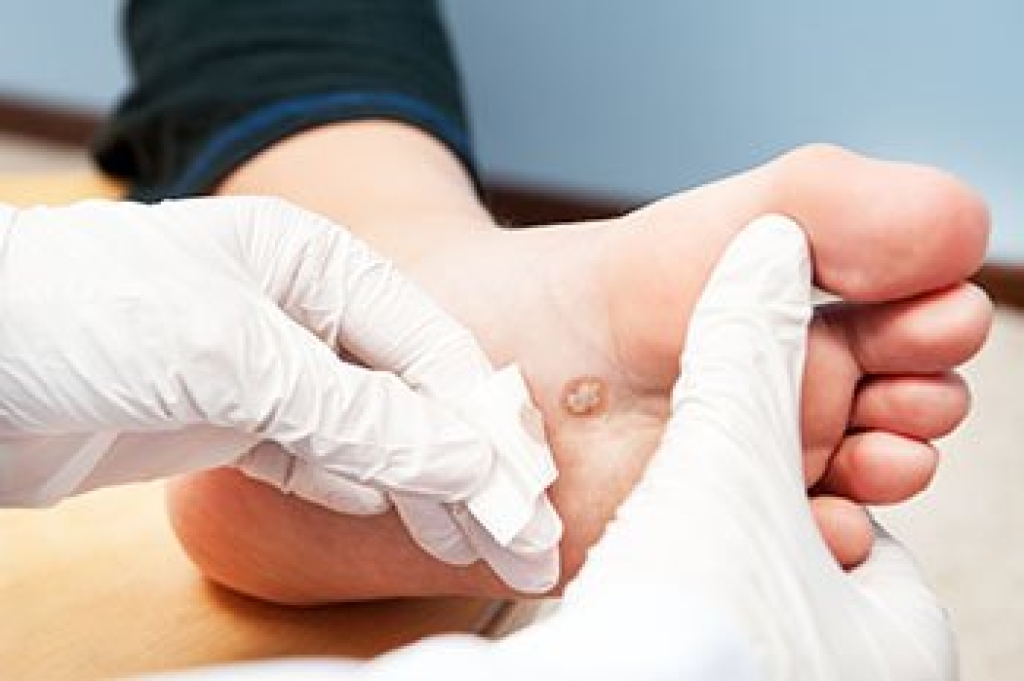
Plantar warts develop on the bottom of the feet after infection with certain types of the human papillomavirus, commonly known as HPV. The virus enters through tiny openings in the skin and causes the outer layer to thicken. Because these warts develop on weight-bearing areas, they are pushed inward by the pressure of standing and walking. This makes them painful during everyday activities. Common symptoms include a rough patch of skin, tenderness, and pain when putting weight on the foot. Some plantar warts also contain tiny black dots, which are small clotted blood vessels. Since other foot conditions can look similar, a professional evaluation is important to confirm the diagnosis and determine treatment.
Plantar warts may appear as a single lesion or develop in small groups on the sole of the foot. As discomfort increases, many people begin to change the way they walk to avoid pressure on the affected area. This altered movement can place stress on the ankle, knee, or hip. Although plantar warts are usually not dangerous, they may continue to grow or become painful if left untreated. A thorough podiatry examination helps determine the size, location, and depth of the wart while ruling out other causes of foot pain. Early diagnosis allows treatment to begin before the condition interferes with normal mobility or daily activities.
A podiatrist specializes in diagnosing and treating plantar warts while evaluating the overall health of the affected foot. Professional treatment focuses on removing the wart, relieving discomfort, and reducing the likelihood of recurrence. Care is tailored to each patient's condition and may be adjusted based on the size and number of warts present. Early podiatry care may also help prevent ongoing pain and improve comfort while walking. If you have a painful growth on the bottom of your foot or believe you have a plantar wart, it is suggested that you consult a podiatrist for an evaluation and appropriate treatment options.
Plantar warts can be very uncomfortable. If you need your feet checked, contact Ankita Patel, DPM from All Pro Foot and Ankle. Our doctor will assist you with all of your foot and ankle needs.
About Plantar Warts
Plantar warts are the result of HPV, or human papillomavirus, getting into open wounds on the feet. They are mostly found on the heels or balls of the feet.
While plantar warts are generally harmless, those experiencing excessive pain or those suffering from diabetes or a compromised immune system require immediate medical care. Plantar warts are easily diagnosed, usually through scraping off a bit of rough skin or by getting a biopsy.
Symptoms
Treatment
To help prevent developing plantar warts, avoid walking barefoot over abrasive surfaces that can cause cuts or wounds for HPV to get into. Avoiding direct contact with other warts, as well as not picking or rubbing existing warts, can help prevent the further spread of plantar warts. However, if you think you have developed plantar warts, speak to your podiatrist. He or she can diagnose the warts on your feet and recommend the appropriate treatment options.
If you have any questions, please feel free to contact our office located in Swedesboro, NJ . We offer the newest diagnostic and treatment technologies for all your foot care needs.
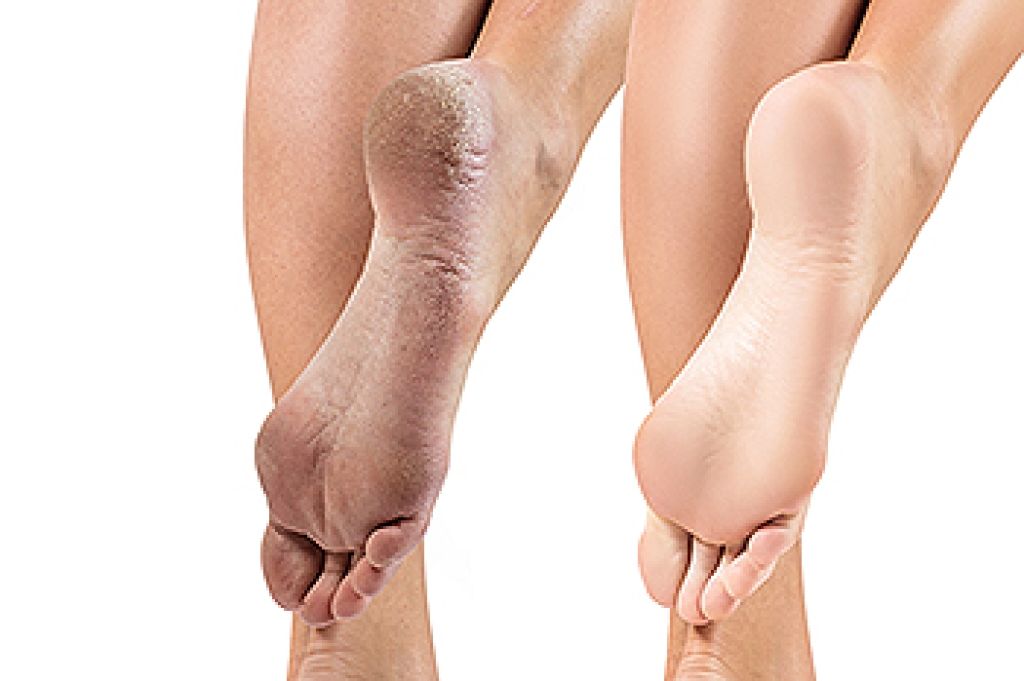
Cracked heels develop when dry, thick skin surrounding the heel loses flexibility and splits under pressure. The cracks can look like thin lines, but deeper openings can cause pain, bleeding, or tenderness while walking. Standing for long periods can place added stress on the heel. Shoes that fit poorly and open-back sandals can also let the heel spread outward. Age can raise the risk because skin becomes less flexible and produces less oil. Health problems like diabetes, psoriasis, and athlete’s foot can also contribute to cracked heels.
A podiatrist can examine the heels to determine how deep the cracks are and whether infection is present. The examination also looks for thick calluses, redness, and drainage. A podiatrist can check circulation and sensation in the feet, especially when a patient has diabetes or another condition that affects healing. Treatment includes the careful removal of hard, thickened skin with sterile instruments. This process reduces pressure near the cracks and helps the heel regain a smoother surface. The podiatrist can also apply protective dressings or recommend heel cups that support the heel’s padding. Deep cracks and termed fissures can require specialized wound care.
A podiatrist also addresses the forces that caused the skin to split. They can assess a patient’s gait, foot shape, and shoe fit. Custom orthotics can improve weight distribution when poor foot alignment places extra pressure on the heels. Advice about properly fitted, supportive shoes can help protect the skin and limit outward spreading of the heel. Regular podiatric evaluations are important for patients with poor circulation, reduced feeling, or a history of slow-healing wounds. Cracked heels should not be ignored when they bleed, become increasingly painful, or show redness and warmth. Early professional care can keep small splits from becoming deeper wounds and can lower the risk of infection. If you have painful cracked heels, it is suggested that you schedule an appointment with a podiatrist for effective treatment solutions, which may include prescribed medication.
If the skin on your feet starts to crack, you may want to see a podiatrist to find treatment. If you have any concerns, contact Ankita Patel, DPM from All Pro Foot and Ankle. Our doctor can provide the care you need to keep you pain-free and on your feet.
Cracked Heels
It is important to moisturize your cracked heels in order to prevent pain, bleeding, and infection. The reason cracked heels form is because the skin on the foot is too dry to support the immense pressure placed on them. When the foot expands, the dry skin on the foot begins to split.
Ways to Help Heal Them
Ways to Prevent Cracked Heels
If you are unsure how to proceed in treating cracked heels, seek guidance from a podiatrist. Your doctor will help you with any questions or information you may need.
If you have any questions, please feel free to contact our office located in Swedesboro, NJ . We offer the newest diagnostic and treatment technologies for all your foot care needs.

Falls are a leading cause of injury, especially among older adults, and healthy feet play an important role in maintaining balance and stability. Foot pain, reduced sensation, and poor joint movement can make walking more difficult and increase the risk of losing balance. Certain foot conditions may also affect the way a person walks, placing extra stress on the body and making everyday activities less safe. Muscle weakness, limited flexibility, and changes in foot structure can further reduce stability. Because many factors contribute to falls, evaluating foot health is an important part of identifying risks before an injury occurs. Early assessment can help improve mobility and support safer movement.
Foot and ankle function directly affects balance with every step. Conditions such as arthritis, bunions, and hammertoes may interfere with normal walking patterns. Other problems, including nerve-related changes, can reduce feeling in the feet and make it harder to detect uneven surfaces. As movement becomes less stable, the risk of slips and falls may increase. A thorough podiatry evaluation helps identify problems that affect balance, foot function, and walking mechanics. Understanding these issues allows a podiatrist to recommend treatment that supports safer mobility and helps reduce the likelihood of future falls.
A podiatrist plays an important role in falls prevention by evaluating foot health, identifying movement concerns, and developing an individualized treatment plan. Professional care may focus on improving foot function, reducing pain, and supporting better balance during daily activities. Regular evaluations also allow changes in foot health to be monitored before they lead to more serious mobility problems. Seeking care early may help maintain independence and reduce the risk of fall-related injuries. If foot pain, balance problems, or changes in the way you walk are affecting your stability, it is suggested that you consult a podiatrist for an evaluation and appropriate treatment options.
Preventing falls among the elderly is very important. If you are older and have fallen or fear that you are prone to falling, consult with Ankita Patel, DPM from All Pro Foot and Ankle. Our doctor will assess your condition and provide you with quality advice and care.
Every 11 seconds, an elderly American is being treated in an emergency room for a fall related injury. Falls are the leading cause of head and hip injuries for those 65 and older. Due to decreases in strength, balance, senses, and lack of awareness, elderly persons are very susceptible to falling. Thankfully, there are a number of things older persons can do to prevent falls.
How to Prevent Falls
Some effective methods that older persons can do to prevent falls include:
Falling can be a traumatic and embarrassing experience for elderly persons; this can make them less willing to leave the house, and less willing to talk to someone about their fears of falling. Doing such things, however, will increase the likelihood of tripping or losing one’s balance. Knowing the causes of falling and how to prevent them is the best way to mitigate the risk of serious injury.
If you have any questions, please feel free to contact our office located in Swedesboro, NJ . We offer the newest diagnostic and treatment technologies for all your foot care needs.

