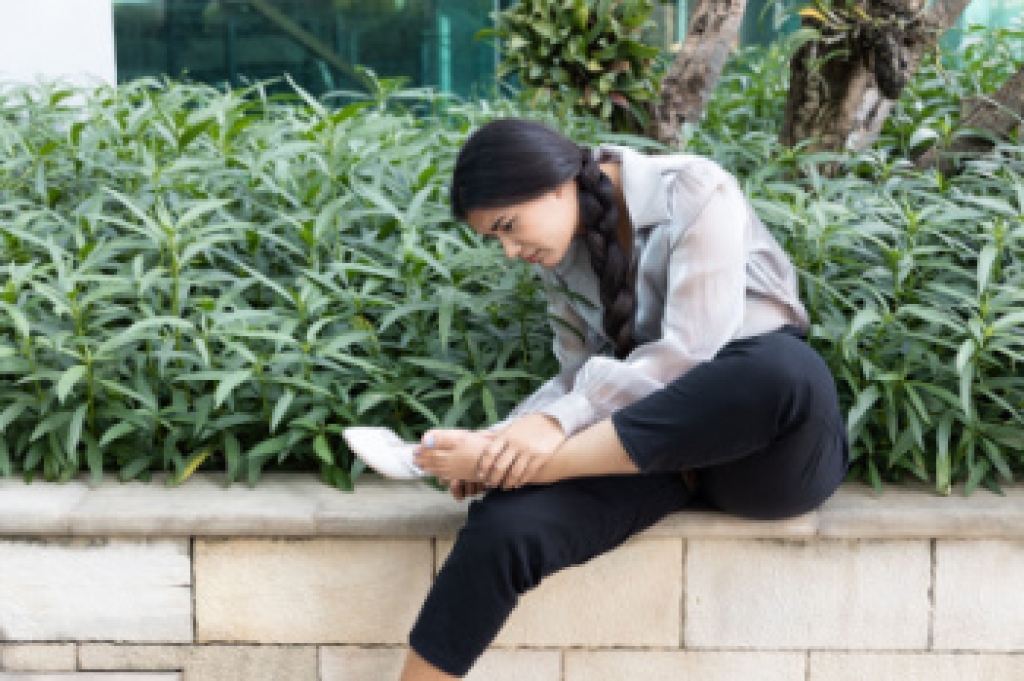
A long walk in new shoes can end with a painful blister on your heel or toe. A blister forms when repeated rubbing separates the upper layers of skin. The body fills the space with clear fluid, creating a cushion that protects the tender skin below. Shoes that are too tight, too loose, or too stiff can cause this rubbing. Heat and damp socks can make it worse because moist skin is easier to damage. Blisters also develop after long walks or runs, especially when shoes fit poorly.
Most foot blisters heal on their own in a few days to a week if you protect them from further rubbing. However, a blister can become infected after it breaks and allows germs to enter. Warning signs include worsening redness, swelling, and warmth. Increasing pain or drainage can also signal a problem. Patients with diabetes, poor blood flow, or reduced feeling in the feet should contact a podiatrist promptly. These problems can slow healing or hide worsening damage. A podiatrist can examine the blister, identify its cause, and check for infection. The doctor can also drain a large or painful blister safely while keeping its protective skin in place.
Preventing another blister from forming begins with reducing rubbing and pressure. Choose well-fitting shoes with enough room for the toes, and break in new pairs gradually. Moisture-wicking socks can help keep feet dry. A podiatrist can find pressure points caused by foot shape, toe position, or the way you walk. Treatment includes professional padding, changes in shoe fit, and custom orthotics. These shoe inserts are specially made for your feet to spread pressure more evenly. The podiatrist can explain which shoes work best for your activities and foot structure. This guidance is useful when blisters keep returning in the same place. If you have a painful or infected blister on your foot, it is suggested that you schedule an appointment with a podiatrist for effective relief and prevention tips.
Blisters may appear as a single bubble or in a cluster. They can cause a lot of pain and may be filled with pus, blood, or watery serum. If your feet are hurting, contact Ankita Patel, DPM of All Pro Foot and Ankle. Our doctor can provide the care you need to keep you pain-free and on your feet.
Foot Blisters
Foot blisters are often the result of friction. This happens due to the constant rubbing from shoes, which can lead to pain.
What Are Foot Blisters?
A foot blister is a small fluid-filled pocket that forms on the upper-most layer of the skin. Blisters are filled with clear fluid and can lead to blood drainage or pus if the area becomes infected.
Symptoms
(Blister symptoms may vary depending on what is causing them)
- Bubble of skin filled with fluid
- Redness
- Moderate to severe pain
- Itching
Prevention & Treatment
In order to prevent blisters, you should be sure to wear comfortable shoes with socks that cushion your feet and absorb sweat. Breaking a blister open may increase your chances of developing an infection. However, if your blister breaks, you should wash the area with soap and water immediately and then apply a bandage to the affected area. If your blisters cause severe pain it is important that you call your podiatrist right away.
If you have any questions, please feel free to contact our office located in Swedesboro, NJ . We offer the newest diagnostic and treatment technologies for all your foot care needs.

