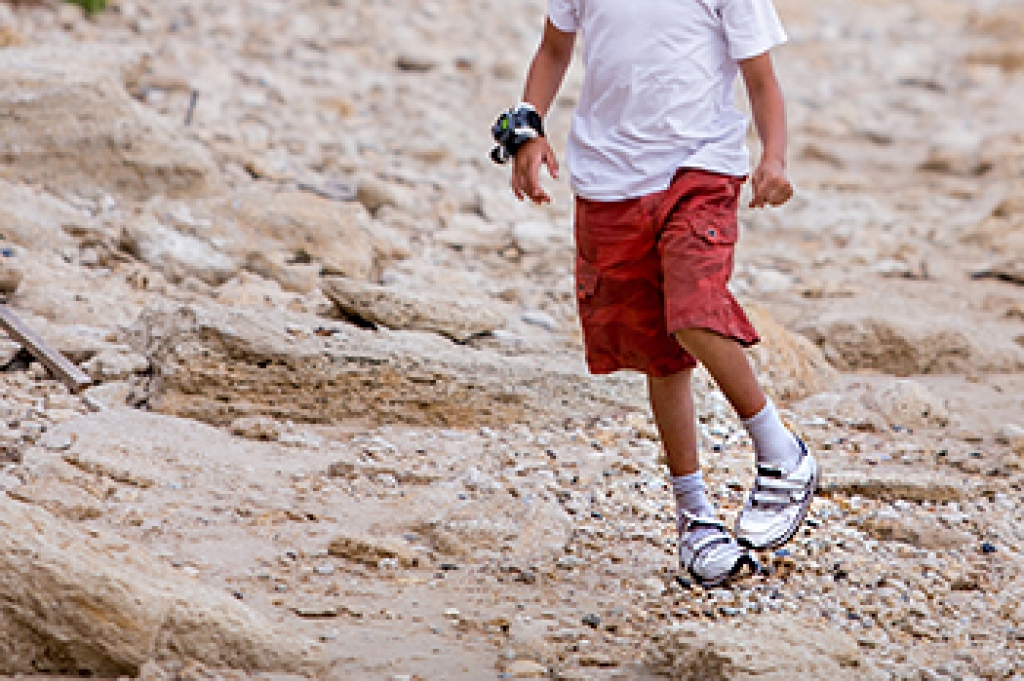
Clubfoot is a congenital condition in which a baby is born with one or both feet twisted out of their normal position. The foot may turn inward and downward, giving the appearance of being rotated or upside-down. This condition affects the bones, muscles, and blood vessels of the foot and ankle. Poor calf and foot development is commonly associated with clubfoot, which can impact growth and mobility if not treated early. Understanding the definition of clubfoot helps parents recognize the condition and seek timely care.
Symptoms of clubfoot are usually visible at birth. The foot may appear crooked with a deviated heel and an increased arch. The calf muscle on the affected side is often smaller than normal, and the foot may be shorter or less flexible. The position of the foot can make it difficult for a child to bear weight properly as they grow.
The exact causes of clubfoot are not always known, but it is believed to involve a combination of genetic and environmental factors. Risk factors include a family history of the condition, limited space in the womb, and certain neuromuscular disorders. Clubfoot is not caused by anything a parent does during pregnancy. Recognizing these risk factors can help guide early diagnosis and treatment planning. Early care is essential for improving outcomes and preventing long-term complications.
Treatment for clubfoot typically begins soon after birth and focuses on gradually correcting the position of the foot. A podiatrist may use gentle stretching and casting techniques to guide the foot into proper alignment, often referred to as the Ponseti method. This process is often followed by bracing to maintain correction and prevent recurrence. In some cases, minor surgical procedures may be needed to adjust tight tendons. Consistent follow-up care is important for long-term success. If your child has been born with clubfoot, it is suggested that you consult a podiatrist to begin proper treatment for healthy foot development.
Congenital foot problems require immediate attention to avoid future complications. If you have any concerns, contact Ankita Patel, DPM of All Pro Foot and Ankle. Our doctor can provide the care you need to keep you pain-free and on your feet.
Congenital foot problems are deformities affecting the feet, toes, and/or ankles that children are born with. Some of these conditions have a genetic cause while others just happen. Some specific foot ailments that children may be born with include clubfeet, polydactyly/macrodactyly, and cleft foot. There are several other foot anomalies that can occur congenitally. What all of these conditions have in common is that a child may experience difficulty walking or performing everyday activities, as well as trouble finding footwear that fits their foot deformity. Some of these conditions are more serious than others. Consulting with a podiatrist as early as possible will help in properly diagnosing a child’s foot condition while getting the necessary treatment underway.
What are Causes of Congenital Foot Problem?
A congenital foot problem is one that happens to a child at birth. These conditions can be caused by a genetic predisposition, developmental or positional abnormalities during gestation, or with no known cause.
What are Symptoms of Congenital Foot Problems?
Symptoms vary by the congenital condition. Symptoms may consist of the following:
- Clubfoot, where tendons are shortened, bones are shaped differently, and the Achilles tendon is tight, causing the foot to point in and down. It is also possible for the soles of the feet to face each other.
- Polydactyly, which usually consists of a nubbin or small lump of tissue without a bone, a toe that is partially formed but has no joints, or an extra toe.
- Vertical talus, where the talus bone forms in the wrong position causing other bones in the foot to line up improperly, the front of the foot to point up, and the bottom of the foot to stiffen, with no arch, and to curve out.
- Tarsal coalition, when there is an abnormal connection of two or more bones in the foot leading to severe, rigid flatfoot.
- Cleft foot, where there are missing toes, a V-shaped cleft, and other anatomical differences.
- Macrodactyly, when the toes are abnormally large due to overgrowth of the underlying bone or soft tissue.
Treatment and Prevention
While there is nothing one can do to prevent congenital foot problems, raising awareness and receiving neonatal screenings are important. Early detection by taking your child to a podiatrist leads to the best outcome possible.
If you have any questions, please feel free to contact our office located in Swedesboro, NJ . We offer the newest diagnostic and treatment technologies for all your foot care needs.

