
Preventing Falls in Seniors

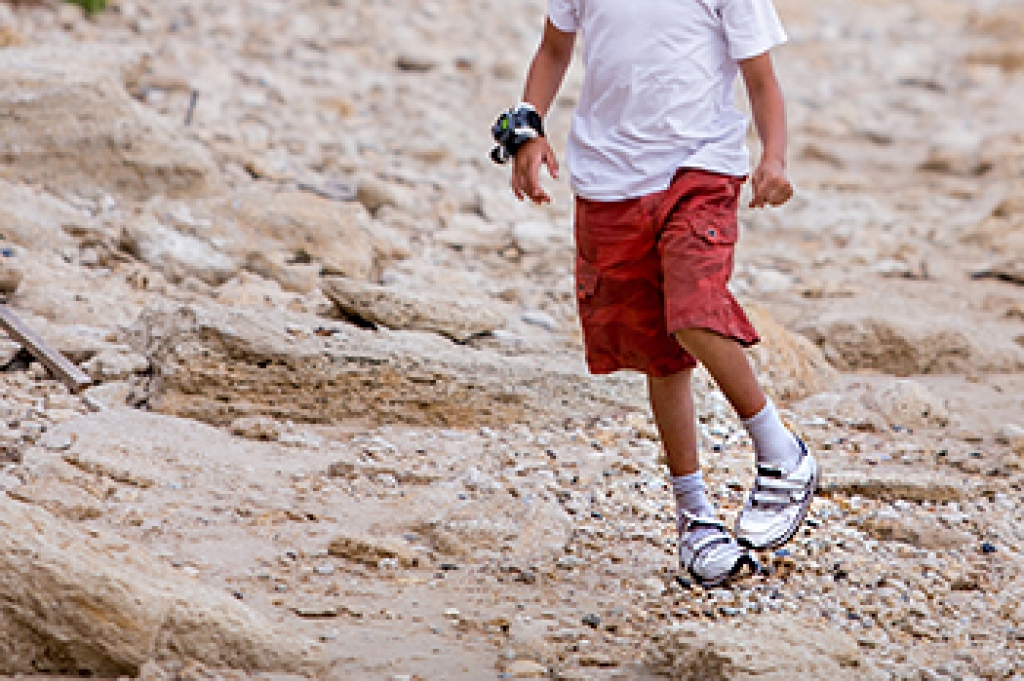
Preventing falls in older adults is essential for maintaining independence and overall well-being. Many factors can increase fall risk, including balance and strength changes, vision or hearing loss, and chronic conditions. Medication side effects and foot problems are other factors. Weak muscles and reduced coordination may make walking less stable, while poor vision or hearing can affect awareness of surroundings. Painful foot conditions, improper footwear, and poor foot alignment may also increase the likelihood of losing balance. Risk of falling can increase when several of these concerns occur together. A podiatrist can evaluate foot structure, treat painful conditions, and recommend supportive footwear or custom orthotic devices to improve stability and comfort. If you or a loved one have fallen and are concerned about fall risk, it is suggested that you consult a podiatrist who can treat various foot conditions, and guide you on additional fall prevention techniques.

Preventing falls among the elderly is very important. If you are older and have fallen or fear that you are prone to falling, consult with Ankita Patel, DPM from All Pro Foot and Ankle. Our doctor will assess your condition and provide you with quality advice and care.

Every 11 seconds, an elderly American is being treated in an emergency room for a fall related injury. Falls are the leading cause of head and hip injuries for those 65 and older. Due to decreases in strength, balance, senses, and lack of awareness, elderly persons are very susceptible to falling. Thankfully, there are a number of things older persons can do to prevent falls.

How to Prevent Falls

Some effective methods that older persons can do to prevent falls include:

  • Enrolling in strength and balance exercise program to increase balance and strength
  • Periodically having your sight and hearing checked
  • Discuss any medications you have with a doctor to see if it increases the risk of falling
  • Clearing the house of falling hazards and installing devices like grab bars and railings
  • Utilizing a walker or cane
  • Wearing shoes that provide good support and cushioning
  • Talking to family members about falling and increasing awareness

Falling can be a traumatic and embarrassing experience for elderly persons; this can make them less willing to leave the house, and less willing to talk to someone about their fears of falling. Doing such things, however, will increase the likelihood of tripping or losing one’s balance. Knowing the causes of falling and how to prevent them is the best way to mitigate the risk of serious injury.  

If you have any questions, please feel free to contact our office located in Swedesboro, NJ . We offer the newest diagnostic and treatment technologies for all your foot care needs.

Read more about Falls Prevention

Foot Bones Commonly Affected by Stress Fractures

Stress fractures are small cracks in bone that develop when repeated force exceeds the bone’s ability to repair itself. In the foot, certain bones are more commonly affected because they bear body weight with every step. The second and third metatarsals, which are the long bones that connect the toes to the midfoot, are frequent sites of stress fractures. The heel bone can also develop stress fractures due to constant impact from walking and playing sports. Another high-risk area is the navicular bone near the top of the midfoot, which plays a key role in maintaining the arch. Symptoms of stress fractures include pinpoint tenderness, deep aching pain, swelling, and discomfort that worsens with activity. A podiatrist can evaluate gait mechanics and use advanced imaging to confirm the diagnosis. If you have symptoms of stress fractures in the feet, it is suggested that you make an appointment with a podiatrist for an exam, diagnosis, and treatment.

Activities where too much pressure is put on the feet can cause stress fractures. To learn more, contact Ankita Patel, DPM from All Pro Foot and Ankle. Our doctor can provide the care you need to keep your pain free and on your feet.

Dealing with Stress Fractures of the Foot and Ankle

Stress fractures occur in the foot and ankle when muscles in these areas weaken from too much or too little use.  The feet and ankles then lose support when walking or running from the impact of the ground. Since there is no protection, the bones receive the full impact of each step. Stress on the feet can cause cracks to form in the bones, thus creating stress fractures.

What Are Stress Fractures?

Stress fractures occur frequently in individuals whose daily activities cause great impact on the feet and ankles. Stress factors are most common among:

  • Runners                                
  • People affected with Osteoporosis
  • Tennis or basketball players
  • Gymnasts
  • High impact workouts

Symptoms

Pain from the fractures occur in the area of the fractures and can be constant or intermittent. It will often cause sharp or dull pain with swelling and tenderness. Engaging in any kind of activity which involves high impact will aggravate pain.

If you have any questions please contact our office located in Swedesboro, NJ . We offer the newest diagnostic and treatment technologies for all your foot and ankle needs.

Read more about Dealing with Stress Fractures of the Foot and Ankle

Plantar Warts Can Be Treated!

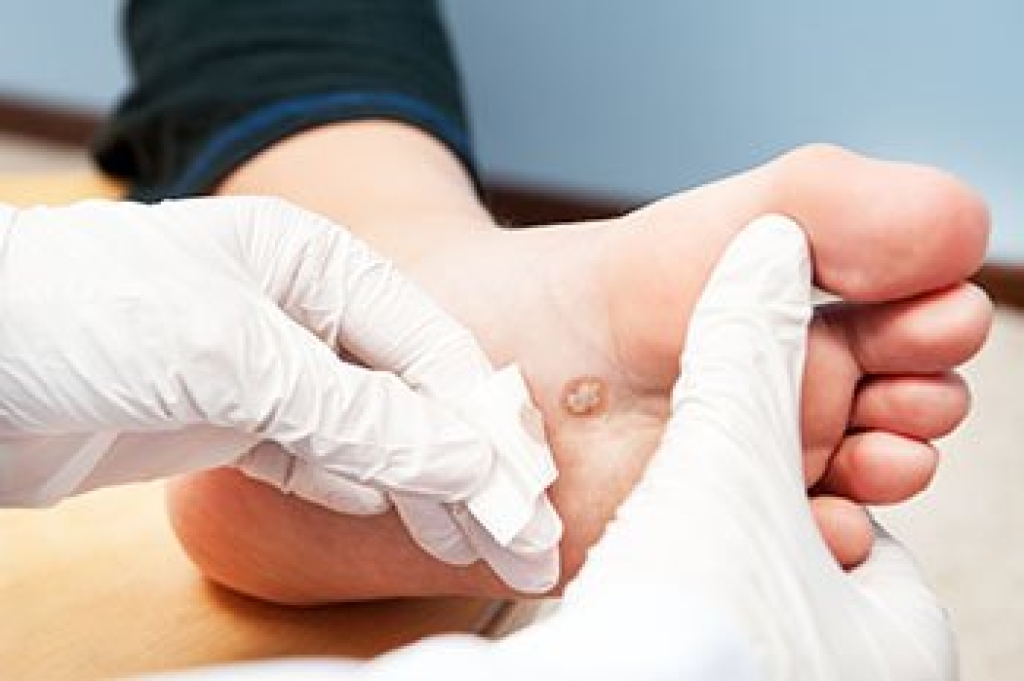
Plantar warts are small growths that develop on parts of the feet that bear weight. They're typically found on the bottom of the foot. Don't live with plantar warts, and call us today!

Causes of Black Toenails in Runners

Black toenails are common in runners, usually resulting from repeated trauma to a toenail inside the shoe. While running, the toes strike the front or roof of the toe box, especially on downhill routes or long distances. This can cause bleeding beneath the nail, called a subungual hematoma. The dried blood produces a dark red or black appearance and may loosen the nail over time. Improper shoe length or width, excessive movement within the shoe, and swelling from heat or high-mileage add to pressure on the nail plate. Certain toes, particularly the big and second toes, absorb the greatest impact. Less common causes include chronic ingrown nails, fungal infection, toe deformities, or rarely tumors that also create discoloration. A podiatrist can evaluate the nail bed, relieve pressure, and guide a safe return to running while preventing nail deformity. If you notice unusual coloration in the toenails, it is suggested that you make an appointment with a podiatrist for an exam, diagnosis, and ongoing treatment.

All runners should take extra precaution when trying to avoid injury. If you have any concerns about your feet, contact Ankita Patel, DPM of All Pro Foot and Ankle. Our doctor will treat your foot and ankle needs.

How to Prevent Running Injuries

There are a lot of mistakes a runner can make prior to a workout that can induce injury. A lot of athletes tend to overstretch before running, instead of saving those workouts for a post-run routine. Deep lunges and hand-to-toe hamstring pulls should be performed after a workout instead of during a warmup. Another common mistake is jumping into an intense routine before your body is physically prepared for it. You should try to ease your way into long-distance running instead of forcing yourself to rush into it.

More Tips for Preventing Injury

  • Incorporate Strength Training into Workouts - This will help improve the body’s overall athleticism
  • Improve and Maintain Your Flexibility – Stretching everyday will help improve overall performance
  • “Warm Up” Before Running and “Cool Down” Afterward – A warm up of 5-10 minutes helps get rid of lactic acid in the muscles and prevents delayed muscle soreness
  • Cross-Training is Crucial
  • Wear Proper Running Shoes
  • Have a Formal Gait Analysis – Poor biomechanics can easily cause injury

If you have any questions, please feel free to contact our office located in Swedesboro, NJ . We offer the newest diagnostic and treatment technologies for all your foot care needs.

Read more about Preventing Running Injuries

Diabetes and the Importance of Proper Foot Care

Diabetes is a chronic condition that affects how the body regulates blood sugar. It can lead to complications that impact circulation and nerve function. Reduced sensation and slower healing place the feet at greater risk for cuts, infections, and ulcers. Proper daily foot care is helpful in preventing serious problems. Wash the feet every day with mild soap and warm water, then dry them carefully, especially between the toes. Keep skin smooth with a gentle moisturizer while avoiding excess moisture between toes. Protect feet from extreme heat and cold to prevent injury. Additionally, wear well-fitting shoes and inspect feet regularly for changes. If you have diabetes, it is strongly suggested that you are under the care of a podiatrist who can help you to manage this serious condition.

Diabetic foot care is important in preventing foot ailments such as ulcers. If you are suffering from diabetes or have any other concerns about your feet, contact Ankita Patel, DPM from All Pro Foot and Ankle. Our doctor can provide the care you need to keep you pain-free and on your feet.

Diabetic Foot Care

Diabetes affects millions of people every year. The condition can damage blood vessels in many parts of the body, especially the feet. Because of this, taking care of your feet is essential if you have diabetes, and having a podiatrist help monitor your foot health is highly recommended.

The Importance of Caring for Your Feet

  • Routinely inspect your feet for bruises or sores.
  • Wear socks that fit your feet comfortably.
  • Wear comfortable shoes that provide adequate support.

Patients with diabetes should have their doctor monitor their blood levels, as blood sugar levels play such a huge role in diabetic care. Monitoring these levels on a regular basis is highly advised.

It is always best to inform your healthcare professional of any concerns you may have regarding your feet, especially for diabetic patients. Early treatment and routine foot examinations are keys to maintaining proper health, especially because severe complications can arise if proper treatment is not applied.

If you have any questions, please feel free to contact our office located in Swedesboro, NJ . We offer the newest diagnostic and treatment technologies for all your foot care needs.
Read more about Diabetic Foot Conditions
scroll to top