
Plantar warts are small growths that develop on parts of the feet that bear weight. They're typically found on the bottom of the foot. Don't live with plantar warts, and call us today!
Plantar warts are small growths that develop on parts of the feet that bear weight. They're typically found on the bottom of the foot. Don't live with plantar warts, and call us today!
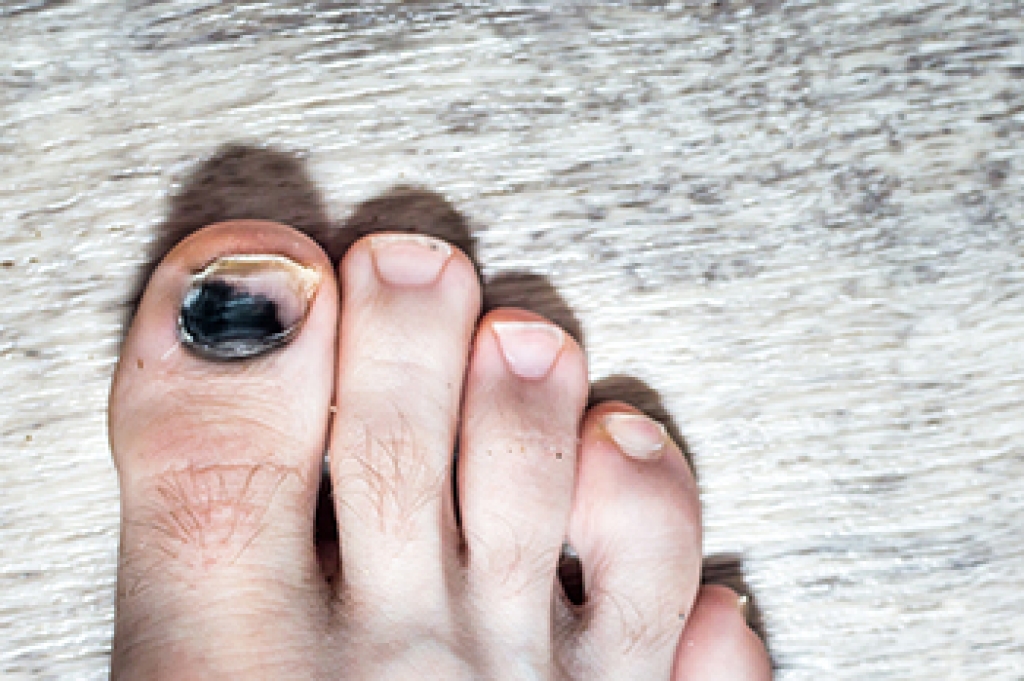
Black toenails are common in runners, usually resulting from repeated trauma to a toenail inside the shoe. While running, the toes strike the front or roof of the toe box, especially on downhill routes or long distances. This can cause bleeding beneath the nail, called a subungual hematoma. The dried blood produces a dark red or black appearance and may loosen the nail over time. Improper shoe length or width, excessive movement within the shoe, and swelling from heat or high-mileage add to pressure on the nail plate. Certain toes, particularly the big and second toes, absorb the greatest impact. Less common causes include chronic ingrown nails, fungal infection, toe deformities, or rarely tumors that also create discoloration. A podiatrist can evaluate the nail bed, relieve pressure, and guide a safe return to running while preventing nail deformity. If you notice unusual coloration in the toenails, it is suggested that you make an appointment with a podiatrist for an exam, diagnosis, and ongoing treatment.
All runners should take extra precaution when trying to avoid injury. If you have any concerns about your feet, contact Ankita Patel, DPM of All Pro Foot and Ankle. Our doctor will treat your foot and ankle needs.
How to Prevent Running Injuries
There are a lot of mistakes a runner can make prior to a workout that can induce injury. A lot of athletes tend to overstretch before running, instead of saving those workouts for a post-run routine. Deep lunges and hand-to-toe hamstring pulls should be performed after a workout instead of during a warmup. Another common mistake is jumping into an intense routine before your body is physically prepared for it. You should try to ease your way into long-distance running instead of forcing yourself to rush into it.
More Tips for Preventing Injury
If you have any questions, please feel free to contact our office located in Swedesboro, NJ . We offer the newest diagnostic and treatment technologies for all your foot care needs.
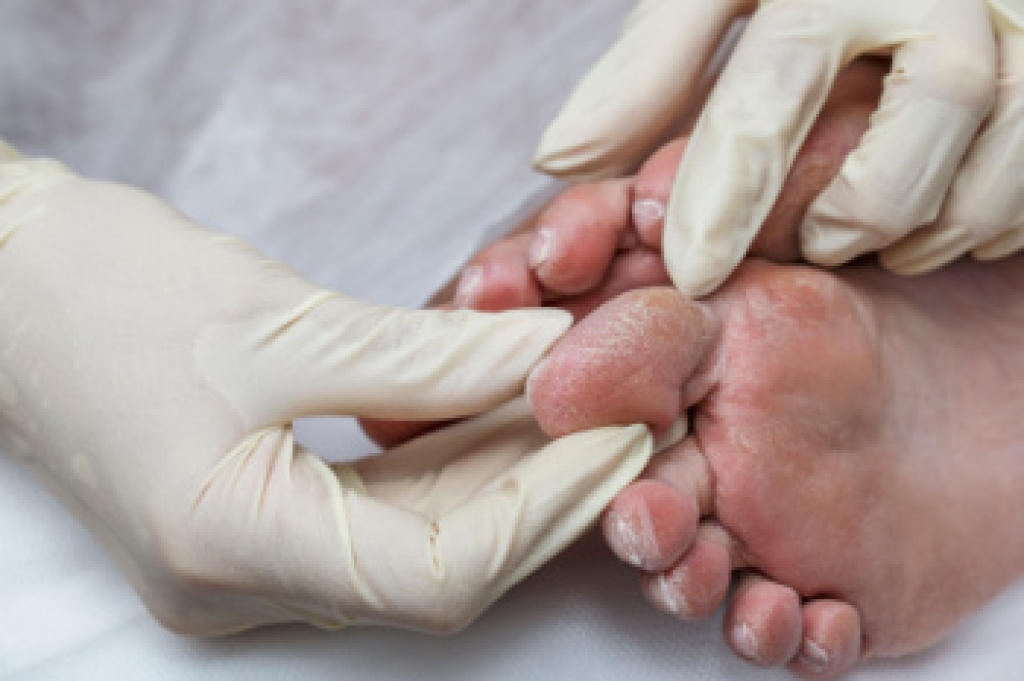
Diabetes is a chronic condition that affects how the body regulates blood sugar. It can lead to complications that impact circulation and nerve function. Reduced sensation and slower healing place the feet at greater risk for cuts, infections, and ulcers. Proper daily foot care is helpful in preventing serious problems. Wash the feet every day with mild soap and warm water, then dry them carefully, especially between the toes. Keep skin smooth with a gentle moisturizer while avoiding excess moisture between toes. Protect feet from extreme heat and cold to prevent injury. Additionally, wear well-fitting shoes and inspect feet regularly for changes. If you have diabetes, it is strongly suggested that you are under the care of a podiatrist who can help you to manage this serious condition.
Diabetic foot care is important in preventing foot ailments such as ulcers. If you are suffering from diabetes or have any other concerns about your feet, contact Ankita Patel, DPM from All Pro Foot and Ankle. Our doctor can provide the care you need to keep you pain-free and on your feet.
Diabetic Foot Care
Diabetes affects millions of people every year. The condition can damage blood vessels in many parts of the body, especially the feet. Because of this, taking care of your feet is essential if you have diabetes, and having a podiatrist help monitor your foot health is highly recommended.
The Importance of Caring for Your Feet
Patients with diabetes should have their doctor monitor their blood levels, as blood sugar levels play such a huge role in diabetic care. Monitoring these levels on a regular basis is highly advised.
It is always best to inform your healthcare professional of any concerns you may have regarding your feet, especially for diabetic patients. Early treatment and routine foot examinations are keys to maintaining proper health, especially because severe complications can arise if proper treatment is not applied.
If you have any questions, please feel free to contact our office located in Swedesboro, NJ . We offer the newest diagnostic and treatment technologies for all your foot care needs.
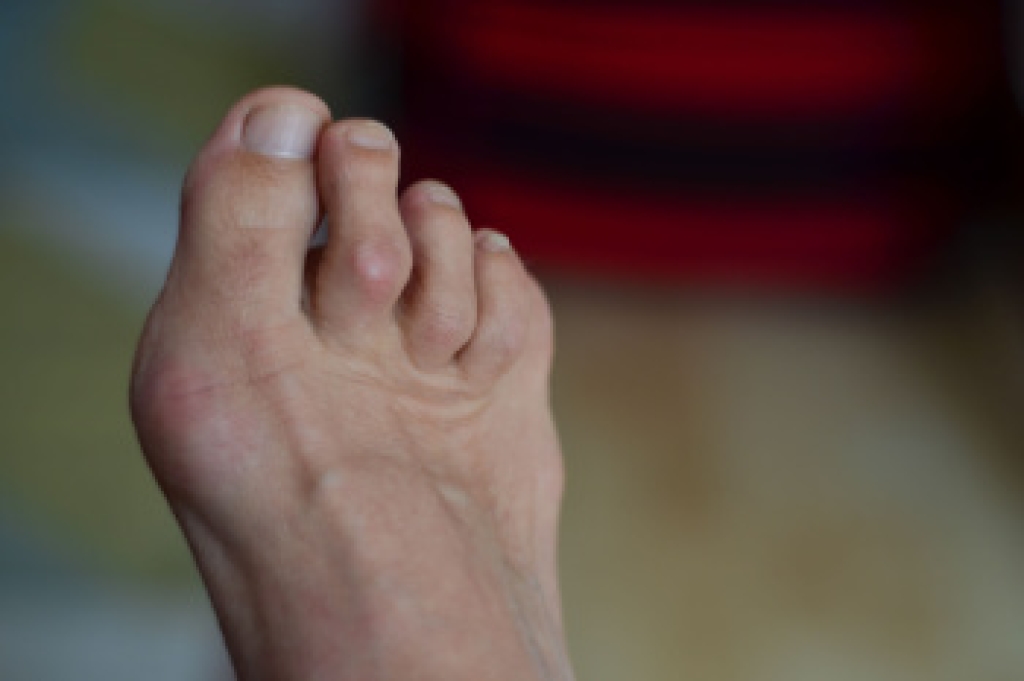
Hammertoe surgery is considered when a bent toe causes ongoing pain, pressure points, or difficulty wearing shoes despite conservative care. Hammertoe surgery aims to straighten the affected toe by correcting tight tendons, ligaments, or joint alignment that pull it into an abnormal fixed position. Depending on severity, surgery may involve tendon release or joint resection. In some cases, fusion is performed to improve stability and reduce friction against footwear. Recovery time varies, but swelling and stiffness are common during early healing as the toe adjusts to its new position. A podiatrist plays an important role by confirming the diagnosis and determining whether surgery is appropriate. They also explain risks and expectations, select the most effective surgical approach, and guide post-procedure care to support healing and restore walking comfort. For help with foot pain caused by a hammertoe, it is suggested that you make an appointment with a podiatrist for an exam, diagnosis, and treatment.
Hammertoes can be a painful condition to live with. For more information, contact Ankita Patel, DPM of All Pro Foot and Ankle. Our doctor will answer any of your foot- and ankle-related questions.
Hammertoe
Hammertoe is a foot deformity that occurs due to an imbalance in the muscles, tendons, or ligaments that normally hold the toe straight. It can be caused by the type of shoes you wear, your foot structure, trauma, and certain disease processes.
Symptoms
Risk Factors
Treatment
If you have hammertoe, you should change into a more comfortable shoe that provides enough room for your toes. Exercises such as picking up marbles may strengthen and stretch your toe muscles. Nevertheless, it is important to seek assistance from a podiatrist in order to determine the severity of your hammertoe and see which treatment option will work best for you.
If you have any questions, please feel free to contact our office located in Swedesboro, NJ . We offer the newest diagnostic and treatment technologies for all your foot care needs.
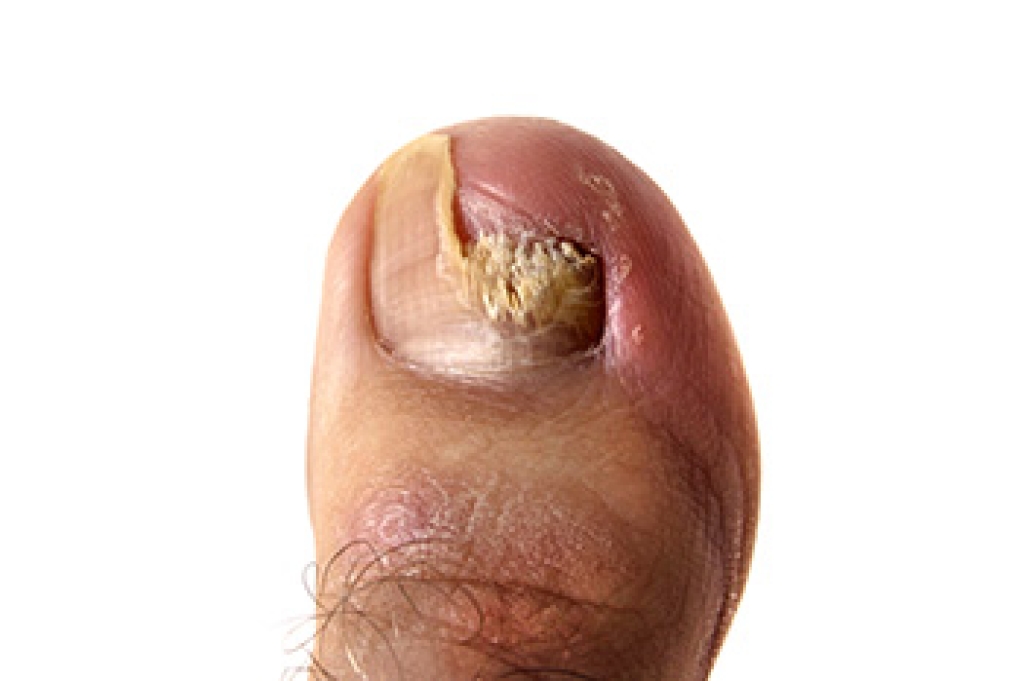
Toenail fungus develops when fungi enter the nail through small cracks, often thriving in warm, moist environments. It may begin subtly, but symptoms can progress to discoloration, thickening, and changes in nail shape. Many people notice yellow or white streaks, brittle texture, or debris under the nail. The affected nail may look dull, misshapen, or crumbly, and while it is sometimes painless, it can also feel tender, uncomfortable, or sensitive to pressure as it thickens. Causes include prolonged moisture exposure, tight footwear, nail injuries, or walking barefoot in shared areas like locker rooms. A podiatrist can help by starting with a thorough examination and testing to confirm the diagnosis, since nail changes can mimic other conditions. Treatment may begin with topical therapies and nail care, and progress to oral medications, or targeted procedures depending on severity and response. If you have toenail fungus, it is suggested that you make an appointment with a podiatrist.
For more information about treatment, contact Ankita Patel, DPM of All Pro Foot and Ankle. Our doctor can provide the care you need to keep you pain-free and on your feet.
Toenail Fungus Treatment
Toenail fungus is a condition that affects many people and can be especially hard to get rid of. Fortunately, there are several methods to go about treating and avoiding it.
Antifungals & Deterrence
Oral antifungal medicine has been shown to be effective in many cases. It is important to consult with a podiatrist to determine the proper regiment for you, or potentially explore other options.
Applying foot powder on the feet and shoes helps keep the feet free of moisture and sweat.
Sandals or open toed shoes – Wearing these will allow air movement and help keep feet dry. They also expose your feet to light, which fungus cannot tolerate. Socks with moisture wicking material also help as well.
If you have any questions please contact our office located in Swedesboro, NJ . We offer the newest diagnostic and treatment technologies for all your foot and ankle needs.

